
On paper, everything looks fine.
You earn a good income.
You’re working hard.
You’re doing what you’re supposed to do.
And yet…
By the time your next paycheque arrives, most of your money is already gone.
This situation is more common in Canada than many people realize.
According to the Financial Consumer Agency of Canada, many Canadians across different income levels experience financial stress due to spending patterns, debt, and a lack of structured financial planning.
You can explore more here: Government of Canada’s financial wellness resources
The important thing to understand is this:
Living paycheque to paycheque is not always an income problem.
In many cases, it is a structural problem. That means it can be fixed. You don’t necessarily need to earn more money. You need a system that helps you manage what you already earn more effectively.
When your finances are structured properly:
- Your money lasts longer
- Your stress reduces
- And your financial future becomes more predictable
In this post, we’ll walk through:
- Why do even high-income earners in Canada live paycheque to paycheque
- How to take control of your money with a simple system
- And how to build a financial structure that actually works long term
If you’re tired of feeling like your income disappears too quickly, this will help you reset.
Why High-Income Earners in Canada Still Live Paycheque to Paycheque
At first glance, it may seem confusing.
If someone earns a good income, why would they still struggle financially?
The answer becomes clearer when you look at how money is managed, not just how much is earned.
One of the biggest causes is lifestyle inflation.
As income increases, spending often increases alongside it. A higher salary leads to a bigger home, a newer car, more subscriptions, and higher day-to-day expenses. Over time, this creates a situation where expenses expand to match income.
So even though more money is coming in, there is little left over.
Another factor is the lack of financial structure.
Many people do not have a clear system for managing their income. Money comes in, expenses are paid, and whatever is left is either spent or saved, with no clear plan.
This makes it difficult to build momentum.
Without structure, it becomes easy to lose track of where money is going. Small, regular expenses, such as subscriptions, dining out, and convenience spending, can add up quickly without being noticed.
There is also the issue of irregular spending patterns.
Some months may feel manageable, while others feel tight. This inconsistency creates uncertainty and makes it harder to plan. Without a system to smooth out these fluctuations, financial stress becomes more frequent.
Debt can also play a role.
Even for higher-income earners, ongoing debt payments—especially high-interest debt—can quietly reduce available income. This limits flexibility and keeps people stuck in a cycle where most of their earnings are already committed before they are received.
You might recognize signs like:
- earning well but still feeling financially stretched
- not knowing exactly where your money goes each month
- relying on the next paycheque to stay on track
- having little left over for savings or investing
Individually, these issues may not seem severe.
But together, they create a pattern.
And that pattern is what keeps people living paycheque to paycheque.
The key takeaway here is important:
Income alone does not create financial stability. Structure does.
And once you understand the root cause, the next step becomes clear: building a system that puts you back in control.
How to Budget in Canada: A Simple System That Actually Works
Once you recognize that the issue is not just income, but structure, the solution becomes more practical.
You need a system that gives your money direction.
This is where budgeting in Canada comes in, but not in the way most people think.
Budgeting is often seen as restrictive.
Something that limits spending or removes flexibility.
In reality, effective budgeting is about control and clarity, not restriction.
It helps you decide where your money goes before it disappears.
The first step is awareness.
Before you can improve your financial situation, you need to understand your current one. This means looking at your income and tracking your expenses honestly. Not perfectly, but clearly enough to see patterns.
The Government of Canada provides tools to help individuals build and track budgets here:
Once you have that awareness, the next step is intentional allocation.
Instead of letting your income flow freely, you assign a purpose to it.
This typically includes:
- essential expenses (housing, utilities, transportation)
- lifestyle spending (entertainment, dining, subscriptions)
- savings and investments
- debt repayments
The key difference is that each category is planned, not left to chance.
This creates structure.
Another important element is consistency.
A budgeting system only works if it is used regularly. This does not mean reviewing your finances every day, but it does mean checking in weekly or monthly to ensure everything stays on track.
Over time, this consistency builds confidence.
You begin to understand your spending habits.
You start to make adjustments naturally.
And your financial decisions become more intentional.
One of the most effective ways to make this easier is automation.
For example, setting up automatic transfers for savings or bill payments ensures that key priorities are handled without requiring constant attention. This reduces the risk of overspending and helps build financial discipline over time.
This is where money management in Canada becomes more sustainable.
Instead of relying on willpower, you rely on systems.
And when your system is working, something important happens:
You stop reacting to your finances…
And start controlling them.
How to Build an Emergency Fund in Canada and Break the Cycle
Once you’ve started bringing structure to your income and expenses, the next step is creating financial stability.
This is where an emergency fund in Canada becomes essential.
Without an emergency fund, even a small unexpected expense can throw everything off. A car repair, a medical cost, or a temporary drop in income can force you to rely on credit or wait for the next paycheque to recover.
That is one of the main reasons people remain stuck in the paycheque to paycheque cycle in Canada.
An emergency fund acts as a buffer.
It gives you time and space to handle unexpected situations without disrupting your entire financial system.
The Government of Canada recommends setting aside savings for unexpected expenses as part of a healthy financial plan:
FCAC Savings and Investments Guide
So how much should you save?
A common guideline is to aim for three to six months of essential expenses.
This does not mean saving that amount all at once.
It starts with something smaller.
The key is to build gradually.
For example, you can begin by setting a short-term goal, such as saving one month of essential expenses, and then build from there.
What matters most is consistency.
Even small contributions, made regularly, begin to create a sense of security.
Another important point is where to keep your emergency fund.
It should be accessible but separate from your everyday spending account. Many people use a high-interest savings account for this purpose, so the money is available when needed but not easily spent.
Over time, this changes your financial experience.
Instead of reacting to unexpected events with stress, you begin to handle them with confidence.
And that shift—from reacting to being prepared—is one of the first real signs that you are moving out of the paycheque-to-paycheque cycle.
But stability alone is not enough if debt continues to create pressure.
Debt Management in Canada: Reduce Financial Pressure in Your 30s & 40s
As you build stability through savings, the next step is addressing one of the biggest sources of financial pressure: debt.
Debt is not always negative.
In Canada, many people carry mortgages, student loans, or business-related debt as part of their financial journey. The issue is not the presence of debt—it is how that debt is managed.
High-interest debt, in particular, can quietly keep you stuck.
When a significant portion of your income goes toward interest payments, it reduces your ability to save, invest, or build long-term wealth.
This is why debt management in Canada is such an important part of financial progress.
The Government of Canada provides guidance on managing and reducing debt effectively:
Managing Debt – Government of Canada
The goal is not to eliminate all debt immediately.
It is to reduce pressure and regain control.
This often starts by understanding your current situation clearly.
You need to know:
- How much do you owe
- The interest rates on each debt
- The minimum payments required
From there, you can begin to prioritize.
Many people focus first on paying down high-interest debt, such as credit cards, because it has the greatest impact on their finances.
At the same time, it is important to maintain balance.
Aggressively paying off debt while ignoring savings can create new problems if unexpected expenses arise. This is why debt repayment and emergency savings often need to work together.
Another key factor is behaviour.
If spending habits do not change, debt can reappear even after it is reduced. This is where the budgeting system discussed earlier becomes important—it helps prevent new debt from building up.
As debt becomes more manageable, something important happens.
Your income starts to open up.
Instead of being committed to past obligations, it becomes available for future goals.
This creates momentum.
And that momentum is what allows you to move from simply managing your finances to improving them.
But even with better budgeting, savings, and debt management, there is still one area many people overlook, how much of their income they are actually keeping.
Tax Planning in Canada: Keep More of What You Earn
At this stage, you may already be earning well, budgeting effectively, and managing your debt.
But there is another layer that can make a significant difference: tax efficiency.
Many Canadians focus on how much they earn, but not enough on how much they keep after taxes.
This is where tax planning in Canada becomes a key part of breaking the paycheque-to-paycheque cycle.
The Canada Revenue Agency (CRA) outlines how different types of income are taxed and the importance of proper reporting and planning:
How Different Types of Income Are Taxed in Canada
Without a structured approach, it is easy to lose more of your income to taxes than necessary.
This does not mean avoiding taxes; it means understanding how to use available tools and strategies effectively.
For example, tax-efficient decisions may include:
- Contributing to an RRSP to reduce taxable income
- Using a TFSA to grow savings tax-free
- Timing certain financial decisions throughout the year
- Structuring income appropriately if you are self-employed or a business owner
These are not advanced or complicated strategies.
But when applied consistently, they can have a noticeable impact.
For business owners, this becomes even more important.
Without a proper income structure in Canada, money may be withdrawn or handled in a way that unnecessarily increases tax liability. With the right structure, income can be managed more efficiently over time.
The key idea is simple:
Earning more is important, but keeping more is what creates progress.
When you combine budgeting, savings, debt management, and tax planning, something changes.
Your income starts to work differently.
Instead of flowing out as quickly as it comes in, it begins to build.
And that is what ultimately helps you move beyond living paycheque to paycheque.
Build a Sustainable Financial System to Stop Living Paycheque to Paycheque
By now, you’ve seen that breaking the paycheque-to-paycheque cycle in Canada is not about one single change.
It is about building a system.
A system that manages your money consistently, so you are not relying on willpower or short-term effort every month.
Because the truth is this: Temporary fixes don’t create lasting results. Systems do.
A sustainable financial system works in the background of your life. It guides your money automatically, reduces decision fatigue, and keeps you aligned with your goals over time.
The first part of this system is automation.
Instead of manually moving money around every month, you set up automatic transfers for key priorities, such as savings, investments, and bill payments. This ensures that the most important actions happen first, before money is spent elsewhere.
Automation reduces friction.
It removes the need to “remember” or “decide” each time.
And over time, it builds consistency.
The second part is structure.
As we discussed earlier, your income should be intentionally allocated across key areas—expenses, savings, debt, and future goals. When this structure is in place, your money has a clear path.
Instead of wondering where it went, you know where it is going.
The third part is a regular review.
A financial system is not something you set once and forget.
Life changes. Income changes. Expenses change.
Reviewing your finances monthly or quarterly helps you stay aligned. It allows you to make adjustments early, rather than reacting when problems arise.
This is a key part of money management in Canada, not perfection, but awareness and adjustment.
The fourth part is consistency over time.
It is not about making perfect financial decisions every month.
It is about making good decisions repeatedly.
- Saving regularly.
- Managing spending.
- Reducing debt.
- Planning.
These actions may feel small in the moment, but over time they create momentum.
And that momentum is what moves you forward.
When all of these elements come together, something important happens:
Your finances become predictable.
Instead of feeling uncertain about your next paycheque, you begin to feel in control.
And that is the real goal, not just earning more, but managing your money in a way that creates stability and progress.
Conclusion
If you’ve made it this far, you’ve likely recognized something important:
Living paycheque to paycheque is not a reflection of your effort.
It is often a reflection of your system.
You can earn a good income and still feel stuck.
You can work hard and still feel behind.
But that does not mean your situation cannot change.
Because once you understand the real drivers—structure, consistency, and planning—you begin to see a different path forward.
You don’t need to change everything overnight.
You just need to start with the right pieces.
Start by understanding where your money is going.
Build a system that gives it direction.
Create a buffer with savings.
Manage your debt with intention.
And make sure you are keeping as much of your income as possible through proper tax planning in Canada.
These are not complicated steps.
But they are powerful when applied consistently.
Over time, they shift your experience.
From reacting… to planning.
From stress… to stability.
From uncertainty… to control.
And that is what financial progress really looks like.
If you ever feel unsure about how to structure your finances or want guidance on how to make your income work more effectively, working with a qualified tax accountant in Canada can help you bring everything together into a clear, practical plan.
Because your income should not just cover your expenses.
It should build your future.
And that future starts with the decisions you make today.
FAQ
Q1: How do I stop living paycheque to paycheque in Canada?
Start by tracking where your money goes each month. Then build a simple budget, automate your savings, pay down high-interest debt, and create an emergency fund. The problem is rarely income — it is the lack of a system. Small, consistent steps create real financial change over time.
Q2: How much should I save in an emergency fund in Canada?
The Government of Canada recommends saving 3 to 6 months of your regular expenses or income — whichever method works best for you. Start small if needed. Even $500 to $1,000 set aside in a separate high-interest savings account is a strong first step. Canada.ca
Q3: Can I stop living paycheque to paycheque on a low income?
Yes. A practical starting point is limiting your total spending to 90% of your take-home income, so at least 10% goes toward improving your financial position. Tracking expenses, cutting non-essentials, and saving small amounts consistently all make a real difference over time. Coastal Community Credit Union
Q4: What is the best budgeting method for Canadians?
The best method is the one you will actually stick to. The 50/30/20 rule — 50% for needs, 30% for wants, and 20% for savings and debt — is simple, flexible, and beginner-friendly. Those wanting more control can try zero-based budgeting, where every dollar is assigned a purpose before the month begins. Questrade
Q5: How does tax planning help with paycheque to paycheque living?
Tax planning helps you keep more of what you earn. RRSP contributions reduce your taxable income, while any growth inside the plan remains tax-sheltered. A TFSA lets your money grow completely tax-free, with withdrawals available anytime for any purpose. Used together, these accounts free up more income for saving and debt repayment.
Meet Patrick
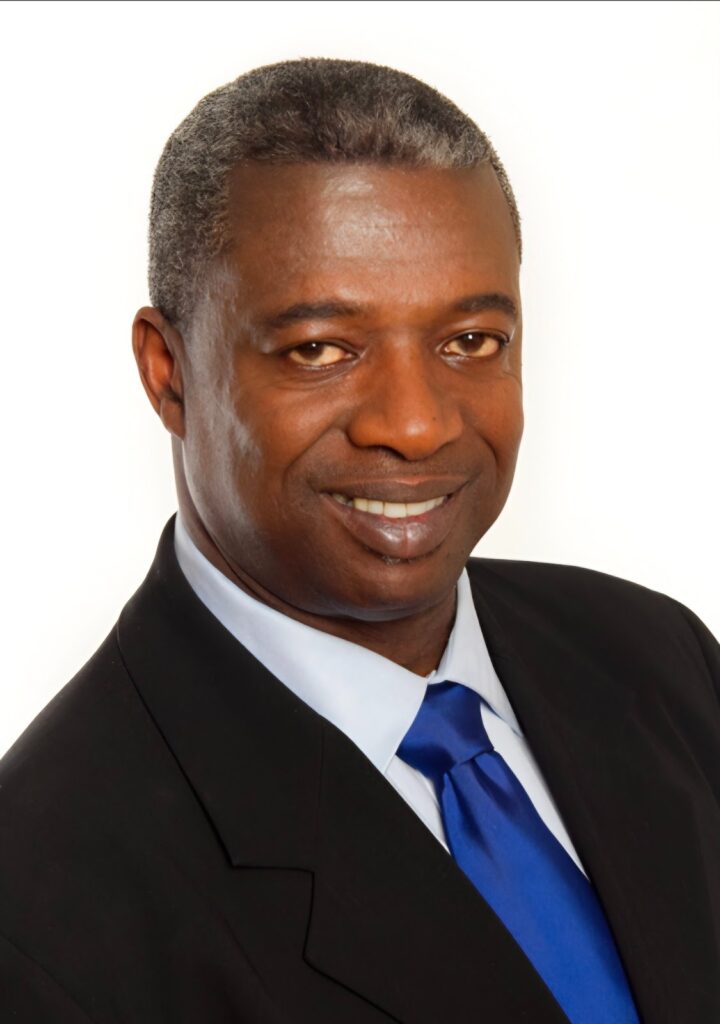
Patrick is a Tax Consultant, Educator, and Founder of Bailey’s Tax Services Inc, a tax advisory practice in Toronto, Ontario, Canada.
He specializes in helping Canadian families & small business owners who are stressed, confused, and overwhelmed about their financial state, understand their finances, make smart decisions that move them forward, and attain clarity and peace of mind.
He regularly shares his knowledge and best advice here on his blog and on other channels such as LinkedIn and Facebook, and through his FREE monthly webinars (Teach me For Free).
Book a call today to learn more about what Patrick and Bailey’s Tax Services Inc can do for you.