

When it comes time to actually pay yourself after you’ve poured your heart into building your business, that familiar feeling of uncertainty comes in.
Understanding the balance between a steady salary and tax-efficient dividends is a necessity to finally getting the most out of your hard work and finding the “sweet spot” that protects your wealth and fuels your lifestyle.

Is it better to pay myself a salary or dividends in Canada in 2026?
When you first started your business, the goal was simple: survival and growth.
But now that you’ve reached a level of stability, the question of how to actually get that money from your corporate bank account into your personal one becomes a major strategic crossroads. Choosing to pay yourself a salary is often the most comfortable path for many business owners because it’s the steady, predictable income we’ve been used to since our first summer jobs. A salary also acts as a powerful engine for your long-term financial security.
In 2026, the case for a salary remains strong because it is considered “earned income” in the eyes of the CRA. This is the only way to build up your RRSP contribution room, which for this year has a maximum limit of $33,810. Furthermore, a salary requires you to contribute to the Canada Pension Plan (CPP).
Beyond retirement, there is the very practical matter of your life outside the office. By taking a salary, you aren’t just paying your bills; you’re building a documented financial history that makes it easier to secure your family’s next home or a personal line of credit when you need it most. You can dive deeper into the current CRA payroll deduction requirements to see how these contributions are structured for 2026.
Can I get a mortgage as a business owner if I only pay myself in dividends?
One of the most heart-wrenching moments for any entrepreneur is finding the perfect home for their family, only to realize that their tax-saving strategy has become a hurdle at the bank. If you have spent years paying yourself primarily in dividends to keep your personal tax bill low, you might worry that a mortgage lender will see you as “unemployed” or too high-risk.
With the newest OSFI mortgage regulations taking full effect in 2026, banks are more focused than ever on income stability. To put yourself in the strongest position, you should treat your dividend payments with the same discipline as a salary and pay them out on a regular schedule rather than in one-off sums. This consistency proves to the bank that your income is a reliable stream, not a series of lucky breaks. You can find more details on how the CMHC evaluates self-employed income to see exactly what documents you’ll need to have ready for your broker.

How much salary do I need to max out my RRSP in 2026?
If you have been focused on lean living and keeping your personal income low, you might be surprised to find that your RRSP contribution room hasn’t budged in years. This is because the CRA calculates your new room based on 18% of the “earned income” you reported in the previous year.
If you only pay yourself in dividends, your earned income is technically zero, and you are effectively missing out on one of the most powerful tax-sheltered growth engines available to Canadians.
You don’t have to reach the maximum to see a massive benefit; even a modest salary creates a “tax-free zone” for your future. Every dollar you contribute to your RRSP is deducted from your taxable income today, meaning the government is essentially helping you fund your retirement by lowering your current tax bill.
If you are looking at your current books and realizing you’ve fallen behind, the CRA still allows you to carry forward any unused contribution room indefinitely. This means that if you decide to increase your salary this year, you can “catch up” on all those years where you didn’t contribute. You can check your specific available room by logging into your CRA My Account or looking at the bottom of your most recent Notice of Assessment.
Are the 2026 CPP increases making it better to take dividends over salary?
With the second tier of the CPP enhancement (CPP2) now fully in motion, the maximum pensionable earnings have climbed to $74,600, with an additional ceiling reaching up to $85,000.
For a business owner paying themselves a salary, this means you are responsible for both the employer and employee portions, totaling a combined contribution of over $9,200 for the year. It’s natural to look at that number and wonder if it’s time to abandon the salary model altogether in favor of dividends, which bypass these contributions entirely.
However, before you make a move based solely on today’s cash flow, it’s important to look at what those extra dollars are actually buying you. The 2026 enhancements were designed to increase the CPP’s “replacement rate,” aiming to cover a larger portion of your pre-retirement income than ever before. Unlike your private investments, the CPP provides a guaranteed, inflation-indexed payment that lasts as long as you do. For many, this acts as a vital “insurance policy” against outliving their savings..
The decision ultimately comes down to you. If you are a rigorous saver who can take the money you would have spent on CPP and invest it wisely within your company or a holding net, the dividend-only route might offer you more flexibility and lower immediate costs. Or you might want to ensure you have a diverse range of income sources in your 70s and 80s, the salary remains a powerful tool despite the higher 2026 thresholds. You can review the official 2026 CPP contribution rates to run the exact numbers for your specific income level and see how they fit into your broader wealth-protection plan.
Conclusion
Choosing the right way to pay yourself is about aligning your business success with the life you want to lead. Deciding between these paths is not a burden you have to carry alone.
If you want to stop second-guessing your payroll and start building a strategy that reflects your hard work, we are here to guide you.
Reach out to Bailey’s Tax Services today for a tailored compensation review, and let’s make sure every dollar you earn is working as hard for you as you did to earn it.
Meet Patrick
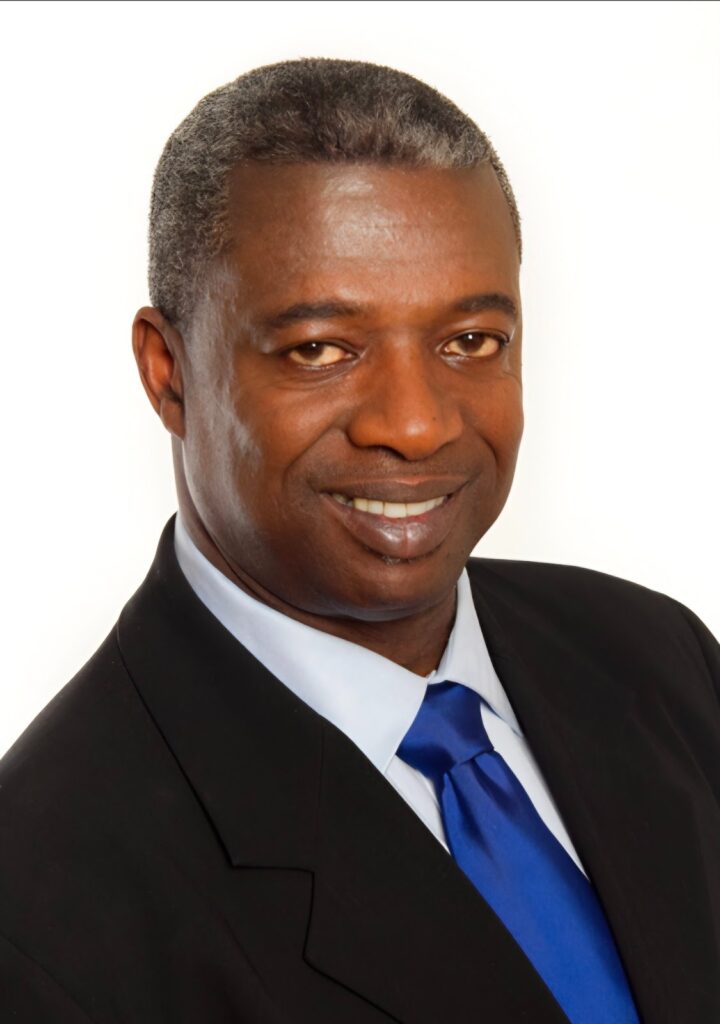
Patrick is a Tax Consultant, Educator, and Founder of Bailey’s Tax Services Inc, a tax advisory practice in Toronto, Ontario, Canada.
He specializes in helping Canadian families & small business owners who are stressed, confused and overwhelmed about their financial state, understand their finances, make smart decisions that move them forward and attain clarity and peace of mind.
He regularly shares his knowledge and best advice here on his blog and on other channels such as LinkedIn and Facebook and through his FREE monthly webinars (Learn to Earn).
Book a call today to learn more about what Patrick and Bailey’s Tax Services Inc can do for you.